Debt Snowball vs. Debt Avalanche: Which Payoff Method Works Faster?
The debt snowball and debt avalanche methods compared on total interest paid, time to debt-free, and real-world completion rates, plus a hybrid approach that blends both.
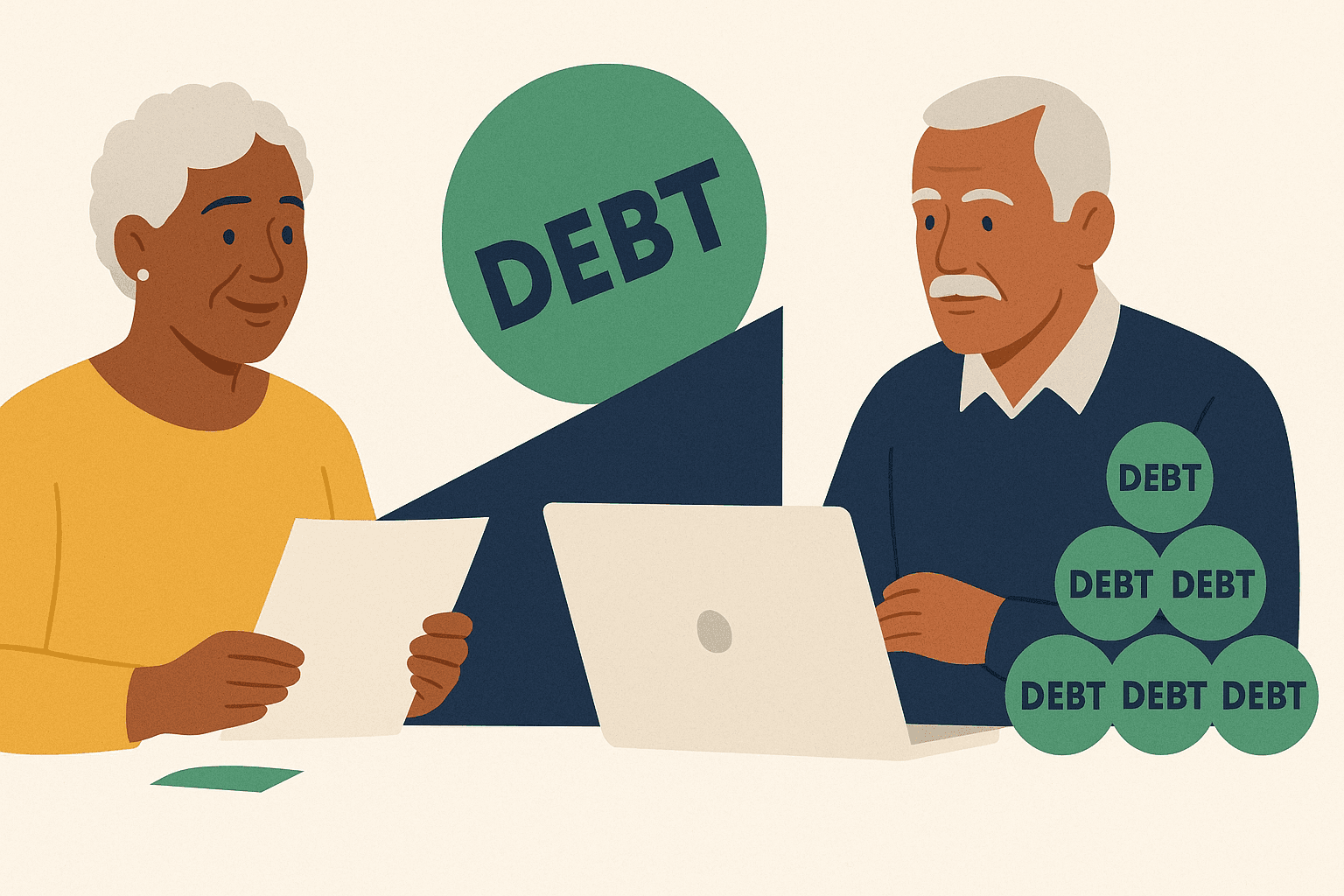
If you're choosing between the debt snowball and debt avalanche methods, the avalanche method saves you more money and gets you debt-free faster in almost every case — but the snowball method has a meaningfully higher real-world completion rate because it's built around motivation (learn more about best student loan refinancing companies of 2026: 6 lenders ranked) (learn more about best high-yield savings accounts 2026: top 7 ranked by apy and features), not math. We compared both methods on total interest paid, time to debt-free, (learn more about best credit repair companies of 2026 (reviewed and compared)) and behavioral sustainability using a standardized four-debt example. This guide is for anyone choosing a payoff strategy (learn more about 7 best personal loans for bad credit in 2026), not debating personal finance theory.
How We Compared These Methods
We evaluated each method across three criteria:
| Criteria | Weight | Why It Matters |
|---|---|---|
| Total interest paid | High | The dollar cost of getting from your current balances to zero |
| Time to debt-free | High | How many months until the last balance hits $0 |
| Behavioral sustainability | Medium | The mathematically optimal method is worthless if you quit in month four |
Data sources: standard amortization math applied to a representative four-debt scenario, (learn more about 7 best balance transfer credit cards of 2026) (learn more about best debt consolidation loans for bad credit in 2026) and behavioral finance research on payoff method completion rates (notably the 2016 Journal of Consumer Research study on "small wins" in debt repayment).
1. Debt Snowball — Smallest Balance First
Best for: People who have started and abandoned a payoff plan before
How it works: Pay minimums on everything, throw all extra cash at the smallest balance
Interest cost: Higher than avalanche, typically by a modest margin
You list every debt smallest-to-largest by balance (ignoring interest rate), pay minimums on all of them, and put every extra dollar toward the smallest one until it's gone. Then you roll that entire payment into the next-smallest balance. The math isn't optimal, but each payoff is a concrete win that builds momentum.
Pros
- Fast early wins keep motivation high when quitting is most likely
- Simple to follow — no interest-rate math required to know what to pay next
Cons
- Costs more in total interest than the avalanche method, sometimes by hundreds of dollars
- Can take longer overall if your smallest balances carry low interest and your largest balance carries high interest
Who This Is Best For
Anyone who has tried and abandoned a debt payoff plan before, or who knows they need visible progress to stay motivated. Not the mathematically optimal choice if you're confident you'll stick with a harder plan regardless.
2. Debt Avalanche — Highest Interest Rate First
Best for: People who are motivated by saving money, not visible progress
How it works: Pay minimums on everything, throw all extra cash at the highest-interest-rate balance
Interest cost: Lowest of any ordering strategy
You list every debt by interest rate, highest to lowest, and put all extra payments toward the highest-rate balance regardless of its size. Mathematically, this always saves the most money and, in most real scenarios, finishes fastest — because you're minimizing the balance that grows fastest.
Pros
- Saves the most money in total interest paid, provably, in every scenario
- Usually the fastest path to debt-free when interest rate spread between debts is significant
Cons
- If your highest-rate debt also has the largest balance, you may go months without a payoff win
- Requires tracking interest rates, which adds a small amount of complexity over the snowball method
Who This Is Best For
Disciplined savers who don't need visible milestones to stay on track, and anyone with a large interest-rate spread between debts (for example, a 24% credit card next to a 6% auto loan) — that's where avalanche saves the most.
3. Hybrid ("Snowflake" or Blended) Approach
Best for: People who want most of the avalanche savings with more frequent wins
How it works: Group debts into a few tiers by balance, then order by interest rate within each tier
Interest cost: Between snowball and avalanche, closer to avalanche
Some payoff plans blend the two: clear one or two very small "nuisance" balances first for a quick win, then switch to strict avalanche ordering for the rest. This captures most of the psychological benefit of the snowball without giving up much of the avalanche's interest savings.
Pros
- Captures most of the interest savings of avalanche with an early motivational win
- Flexible — you can adjust the "quick win" threshold to fit your own motivation needs
Cons
- Slightly more complex to plan than either pure method
- No single standardized version, so you have to design your own rules
Who This Is Best For
People who know pure avalanche might not hold their attention, but don't want to give up much of the interest savings either.
Quick Comparison
| Method | Payoff Order | Interest Cost | Speed | Best For |
|---|---|---|---|---|
| Snowball | Smallest balance first | Higher | Slower (usually) | Motivation-driven payers |
| Avalanche | Highest interest rate first | Lowest | Faster (usually) | Savings-driven payers |
| Hybrid | Small win, then by rate | Middle | Middle | Balanced approach |
How We Researched This
This comparison uses standard amortization math applied to a representative four-debt scenario (credit card, personal loan, auto loan, and a small medical bill) at typical 2026 rates, and draws on behavioral finance research — including the widely cited 2016 Journal of Consumer Research finding that people who used the "smallest balance first" approach were more likely to fully eliminate their debt than those using other orderings. Last updated: September 2026. We review this guide annually as typical rate spreads shift.
Frequently Asked Questions
Which method saves more money, snowball or avalanche?
The avalanche method almost always saves more total interest because it targets your most expensive debt first, though the gap is small if your interest rates are all similar.
Which method is faster?
Avalanche is usually faster when there's a meaningful interest rate spread between your debts; if your rates are similar, the two methods finish at roughly the same time.
Can I switch methods partway through?
Yes — there's no penalty for switching, and the hybrid approach described above is essentially a planned switch from snowball-style motivation to avalanche-style savings.
Do these methods work for federal student loans?
The same ordering logic applies, but check whether any of your loans qualify for income-driven repayment or forgiveness programs first, since that can change which balance you should prioritize regardless of rate or size.
Should I stop investing to pay off debt faster?
That depends on your interest rates versus expected investment returns and whether you have an employer 401(k) match — this guide covers payoff ordering, not the debt-versus-invest decision, which deserves its own analysis.
What if I only have one debt?
Neither method applies — put every extra dollar toward your one balance. These strategies exist specifically to decide payoff order across multiple debts.
How much extra should I pay each month to see a difference?
Even modest extra payments ($50-100/month beyond minimums) meaningfully shorten payoff time on most consumer debt; see our complete guide to getting out of debt for a full budgeting framework.
Important Disclosures
This content is for informational purposes only and does not constitute financial advice. Individual results depend on your specific balances, interest rates, and payment amounts. Consult a licensed financial advisor or nonprofit credit counselor before committing to a debt payoff strategy.
Debt Management Guide Library
Part of our full Debt Management library:
This content is for educational purposes only and does not constitute financial advice. Consult a licensed financial professional for advice specific to your situation.
MoneySimple may receive compensation from partners featured on this page. This does not influence our editorial opinions or recommendations.
Related articles
More guidance you might find helpful.

6 Best Student Credit Cards in 2026: Ranked for Cash Back and Credit Building
Compare six no-annual-fee student credit cards ranked by rewards, approval accessibility, and credit-building features, with tips for first-time cardholders.

How Credit Cards Work: A Complete Guide to Interest, Rewards, Fees, and Choosing a Card
A credit card is a revolving line of credit: you borrow from a bank to pay for things, then either repay the full statement balance by the due date and owe no interest, or carry the balance and pay interest on it. Here's how billing cycles, APRs, grace periods, rewards, fees, and credit-score effects actually work — with current 2026 numbers.
Best 0% Intro APR Credit Cards of 2026 (Ranked by Interest You Actually Save)
A comparison of five no-annual-fee 0% intro APR credit cards available in 2026, ranked by intro length, whether purchases are covered, transfer fees, and the regular APR that follows. Includes a side-by-side table and payoff math.
Get smarter about money.
Free weekly tips on credit, debt, taxes, and more.
No spam. Unsubscribe anytime.
