Best Cash Management Accounts in 2026: 6 Options Ranked by Yield, FDIC Coverage, and Fees
Looking for a safe place to earn more on your cash? We ranked 6 cash management accounts for 2026 by interest rate, FDIC coverage, fees, and everyday features, plus how they compare to high-yield savings.
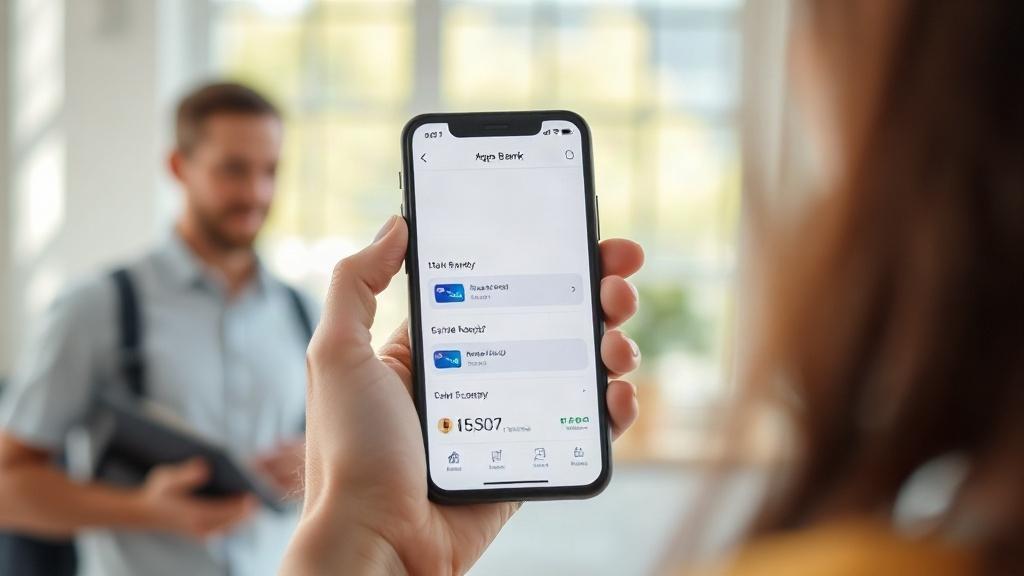
If you're looking for the best cash management account in 2026, Wealthfront Cash Account is the strongest all-around pick for most people because it pairs a competitive variable rate with no account fees and multi-million-dollar FDIC coverage, while Fidelity Cash Management Account is the better fit if you want your everyday cash in the same place as your investments. We compared six accounts on interest rate, FDIC insurance limits, fees, everyday banking features, and how fast you can move money. This guide is for anyone holding cash in a checking account that pays close to nothing and wants a simple, safe place to earn more on it.
What Is a Cash Management Account?
A cash management account (CMA) is a cash account offered by a brokerage or financial technology company, not a traditional bank. Your money is "swept" into accounts at several partner banks. Because each partner bank carries its own FDIC insurance, your total coverage can be much higher than the standard $250,000 per depositor (One Big Beautiful Bill Act tax), per bank. Many CMAs also come with a debit card, direct deposit, and bill pay, so they can work like checking and savings in one.
The catch: the rate is variable and can drop when the Federal Reserve cuts rates, and the company itself is not a bank, so coverage only applies once money reaches the partner banks.
How We Ranked These Accounts
| Criteria | Weight | Why It Matters |
|---|---|---|
| Interest rate (APY) | High | The main reason to switch is earning more than a checking account pays |
| FDIC coverage limit | High | Higher limits protect larger balances, like a home down payment or business cash |
| Fees and minimums | High | A monthly fee can wipe out the extra interest on a small balance |
| Everyday features | Medium | Debit card, direct deposit, ATM access, and bill pay decide whether it can replace checking |
| Transfer speed | Medium | You want your money back within a day or two when you need it |
Data sources: FDIC deposit insurance rules, Federal Reserve rate data, company disclosures and fee schedules, and Bankrate and NerdWallet rate tracking.
1. Wealthfront Cash Account — Best Overall
Best for: Most savers who want a high rate with no fees
Fees: No account fees
FDIC coverage: Multi-million-dollar coverage through partner banks
Wealthfront Cash Account is our top pick because it combines a variable APY that has consistently ranked near the top of the market with no monthly fees, no minimum to earn the rate, and FDIC coverage well above $250 (what is a 401k and how),000 through partner banks. It also offers a debit card, direct deposit, and fast transfers into Wealthfront investment accounts.
Pros
- Competitive variable APY with no minimum balance to earn it
- FDIC coverage in the millions through a partner bank network
- Debit card, direct deposit, and bill pay included
Cons
- No physical branches; customer service is online and by phone
- Rate is variable and falls when the Fed cuts rates
Who This Is Best For
People who want one simple place to park emergency savings or a big goal fund. If you need to deposit cash often, a traditional bank or credit union may be easier.
2. Fidelity Cash Management Account — Best for Investors
Best for: People who already invest with Fidelity or want one login for everything
Fees: No monthly fees or minimums
Standout: ATM fee reimbursement and free checks
The Fidelity Cash Management Account works like a full checking account with no monthly fees, ATM fee reimbursement, free checks, and bill pay. Its default FDIC-insured sweep pays a modest rate, but you can choose to hold part of your cash in a money market fund to earn more. Money market funds are not FDIC-insured.
Pros
- Full checking features, including ATM fee reimbursement and checks
- Easy transfers to Fidelity brokerage and retirement accounts
- Option to earn more by holding a money market fund
Cons
- The default FDIC sweep rate is low; earning more takes an extra step
- Money market fund balances aren't FDIC-insured
Who This Is Best For
Investors who want their spending money and investments under one roof. If you just want a high rate with zero setup, Wealthfront or Betterment is simpler.
3. Betterment Cash Reserve — Best for Goal-Based Saving
Best for: Savers who like separate buckets for each goal
Fees: No account fees
FDIC coverage: Up to the low millions through partner banks
Betterment Cash Reserve offers a competitive variable APY, no account fees, and FDIC coverage above $250,000 through partner banks. Its standout feature is goal-based saving: you can label buckets for an emergency fund, a vacation, or a car, and track each one. A separate Betterment checking account is available for everyday spending.
Pros
- Competitive variable APY with no minimum to earn it
- Easy goal tracking with separate savings buckets
- Smooth transfers into Betterment investing accounts
Cons
- Cash Reserve itself has no debit card; spending requires the separate checking account
- Variable rate can drop quickly
Who This Is Best For
People saving for several goals at once who want to see progress on each. If you want one all-in-one account with a card, Wealthfront is more convenient.
4. Empower Personal Cash — Best for Large Balances
Best for: Savers with large balances who want high FDIC coverage
Fees: No account fees
Standout: Free financial dashboard that tracks all your accounts
Empower Personal Cash pays a competitive variable rate with no fees or minimums and offers multi-million-dollar FDIC coverage through partner banks. It pairs with Empower's free financial dashboard, which tracks your net worth and spending across outside accounts. Expect occasional outreach about Empower's paid advisory services.
Pros
- High FDIC coverage for larger balances
- Free tools to see all your money in one place
- No fees or minimums
Cons
- No debit card or bill pay, so it can't replace checking
- You may get sales calls about paid wealth management
Who This Is Best For
People holding a large cash cushion, such as proceeds from a home sale. If you want to spend directly from the account, look elsewhere.
5. SoFi Checking and Savings — Best Bank Alternative
Best for: People who want a real bank account with a high savings rate
Fees: No monthly fees
Note: A bank, not a CMA; higher rate usually requires direct deposit
SoFi Checking and Savings is a traditional bank account, not a cash management account, but it competes directly. It offers a high savings APY for customers with eligible direct deposit, no monthly fees, a debit card, and early paycheck access. Standard FDIC coverage is $250,000 (student loan forgiveness programs), with extra coverage available through an optional sweep program.
Pros
- Full bank features in one app
- Competitive APY with direct deposit
- Early paycheck access and no overdraft fees on small overdrafts
Cons
- Top rate depends on direct deposit or other requirements
- Extra FDIC coverage requires opting into a sweep program
Who This Is Best For
People who want a regular bank account and are willing to route their paycheck there. If you don't want direct deposit rules, a CMA is simpler.
6. Robinhood-Style Brokerage Sweeps — Use With Caution
Best for: Not recommended for most savers
Catch: Top rates often require a paid subscription
Some trading apps advertise high cash sweep rates, but the best rate is often tied to a paid membership or active trading. For most people building savings, the extra rate isn't worth the subscription cost or the temptation to trade. We include this category only so you know what to watch for.
Pros
- Sometimes advertise very high rates
- FDIC sweep coverage through partner banks
Cons
- Top rates may require a monthly or yearly fee
- Built around trading, which can work against saving goals
Who This Is Best For
Mostly no one who is focused on building savings. Stick with options 1 through 5.
Quick Comparison
| Account | Account Fees | FDIC Coverage | Debit Card | Rate Requirement | Best For |
|---|---|---|---|---|---|
| Wealthfront Cash | None | Multi-million via partner banks | Yes | None | Most savers |
| Fidelity CMA | None | Over $1 million via sweep | Yes | Money market for higher yield | Investors |
| Betterment Cash Reserve | None | Low millions via partner banks | Separate checking | None | Goal saving |
| Empower Personal Cash | None | Multi-million via partner banks | No | None | Large balances |
| SoFi Checking & Savings | None | $250K standard, more via sweep | Yes | Direct deposit | Bank users |
| Trading-app sweeps | Often a subscription | Via partner banks | Varies | Paid tier | Not recommended |
Rates on every account above are variable and can change at any time. Check each company's site for today's APY.
Cash Management Account vs. High-Yield Savings Account
A high-yield savings account is offered by a bank and insured up to $250,000 per depositor, per bank. A cash management account spreads your money across several banks, which can raise your insured limit into the millions, and often adds checking features. Rates are usually similar. If your balance is under $250,000 and you want the simplest setup, see our list of the best high-yield savings accounts. If you want an online bank with branches-free checking, see the best online banks.
How We Researched This
We reviewed each company's published account terms, fee schedules, and FDIC sweep disclosures, and checked them against FDIC deposit insurance rules. We tracked rate trends using Federal Reserve data and Bankrate and NerdWallet rate surveys. We excluded accounts with monthly fees on small balances and accounts that require active trading to earn the advertised rate. Specific APYs are not listed because they change often; we ranked on rate consistency, not a single day's number.
Last updated: November 23, 2026. We review this guide quarterly and after every Federal Reserve rate decision.
Frequently Asked Questions
Is a cash management account safe?
Yes, for most people. Your money is swept into FDIC-insured partner banks, so it's protected up to each program's limit. Coverage starts once funds reach the partner banks, so read the account's sweep disclosure.
Is a cash management account the same as a bank account?
No. A CMA is offered by a brokerage or fintech company that partners with banks. It often works like a bank account with a debit card and direct deposit, but the company itself is not a bank.
How much FDIC insurance does a cash management account have?
It depends on the number of partner banks. Each bank covers $250,000 per depositor, so a program with 8 banks can cover about $2 million. Some programs cover several million dollars.
Do cash management accounts pay more than checking?
Usually yes. Most checking accounts pay little or no interest, while top CMAs pay rates similar to high-yield savings accounts. Rates are variable and move with the Federal Reserve.
Are there fees on cash management accounts?
Most of the accounts on this list have no monthly fees or minimums. Watch for out-of-network ATM fees, wire fees, and paid tiers required to earn advertised rates.
Can I use a cash management account as my main checking account?
Some, yes. Wealthfront and Fidelity offer debit cards, direct deposit, and bill pay. Betterment Cash Reserve and Empower Personal Cash work better as savings accounts.
How fast can I withdraw money?
Transfers to an outside bank usually take one to three business days (see small business tax credits). Debit card purchases and ATM withdrawals are instant on accounts that offer a card.
Is interest from a cash management account taxable?
Yes. Interest is taxed as ordinary income, and you'll get a 1099-INT form if you earn $10 (side hustle taxes) or more in a year.
What's the difference between a CMA and a money market fund?
A CMA holds cash in FDIC-insured bank deposits. A money market fund is an investment that holds short-term debt. It is not FDIC-insured, though it is generally considered low-risk.
Important Disclosures
This content is for educational purposes only and is not financial advice. Rates, fees, and FDIC coverage limits change often; confirm current terms directly with each provider before opening an account. Cash management accounts are offered by non-bank companies; FDIC insurance applies only to funds held at partner banks, and money market funds are not FDIC-insured. MoneySimple may receive compensation from partners featured on this page. This does not change our rankings, which follow the method described above.
Written by the MoneySimple Editorial Team. Last updated November 23, 2026.
Banking & Savings Guide Library
Part of our full Banking & Savings library:
- Best Bank Accounts for Teens in 2026: 6 Options Ranked by Fees, Parental Controls, and Age Range
- Best Banks for Early Direct Deposit in 2026: 7 Accounts That Can Pay You Up to 2 Days Sooner
- Best Banks With No Overdraft Fees in 2026: 7 Accounts That Won't Charge You $35 for a $4 Coffee
- Best Joint Bank Accounts for Couples in 2026: 7 Accounts Ranked by Fees, Tools, and Flexibility
- Best Second Chance Checking Accounts of 2026: 6 Options Ranked by Cost and Approval Odds
This content is for educational purposes only and does not constitute financial advice. Consult a licensed financial professional for advice specific to your situation.
MoneySimple may receive compensation from partners featured on this page. This does not influence our editorial opinions or recommendations.
Related articles
More guidance you might find helpful.

Best Bank Accounts for Teens in 2026: 6 Options Ranked by Fees, Parental Controls, and Age Range
We ranked 6 teen bank accounts for 2026 by fees, overdraft policy, parent controls, and age range. Capital One MONEY Teen Checking leads for most families; Chase High School Checking fits Chase households.

Best Joint Bank Accounts for Couples in 2026: 7 Accounts Ranked by Fees, Tools, and Flexibility
We ranked seven joint bank accounts for couples on fees, overdraft policy, ease of adding a co-owner, shared budgeting tools, and FDIC coverage. Ally leads for its savings buckets; SoFi wins for earning on shared cash. Plus what to talk about before you merge money.

Best Banks With No Overdraft Fees in 2026: 7 Accounts That Won't Charge You $35 for a $4 Coffee
Seven checking accounts that charge $0 in overdraft fees in 2026, ranked by how much they actually cover, how hard it is to qualify, and what else you get. Capital One 360 and Ally lead; Chime and SoFi are built for paycheck-to-paycheck budgets.
Get smarter about money.
Free weekly tips on credit, debt, taxes, and more.
No spam. Unsubscribe anytime.
